So far, Donald Trump was absent from all 5 Republican primary debates. He is facing 91 criminal charges and will go down in history as the man who tried to overturn the results of a legitimate presidential election. Donald Trump has also the highest approval rating as a 2024 presidential candidate.
2024 has already proven to be an unprecedented year, with the top contender having potential criminal convictions on the horizon and Nikki Haley earning the most delegates in a primary caucus that a female Republican has ever received.
But perhaps the aspect of this election cycle that sets it uniquely apart from others is the amount of disinformation that surrounds it, looming in the media. Recent Pew Research data suggests that various forms of ‘quick media’ are making a greater impact on the beliefs and values of those who absorb it. Disinformation, ranging from alleging elections to be “unfair” to fueling COVID-19 conspiracy theories, can now be spread to the entire world in a matter of seconds with platforms such as TikTok and X. The widespread implications of ‘quick media’ on the way society thinks are alarming. And the Trump campaign is a catalyst for this rhetoric.
Since January 6, 2021, Donald Trump has been emphasizing a false narrative of a stolen election- one that his staunch followers wholeheartedly believe. “Donald Trump is still my president,” is something you may hear Trump supporters say, as jocularly shown on the Daily Show in the summer of 2021.
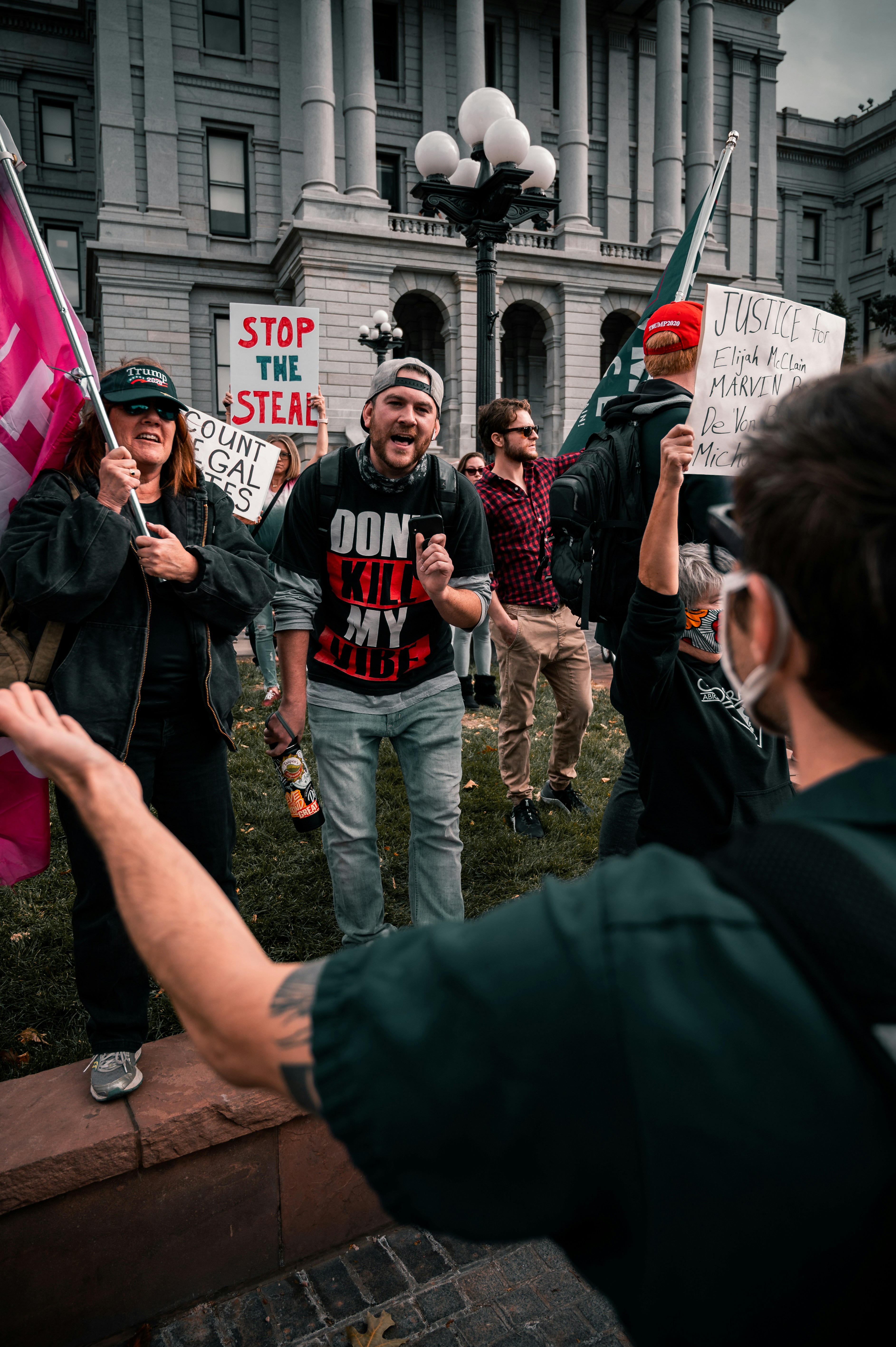 Photo by Colin Lloyd on Unsplash
It is further fascinating to see how the insurrection on the capitol, an event that killed 5 federal police officers, has either no place in the minds of such Trump supporters, or its happening is blamed on other groups that, in fact, were not on Capitol Hill, as cited by conservative republicans like representative Lauren Boebert of Colorado.
Trump is not the only runner who has had a cloud of falsehood over his campaign. Vivek Ramaswamy and Ron DeSantis, who have since dropped out of the race, have made polarizing statements to the general public. Ramaswamy has claimed that climate change is a hoax while DeSantis continues portraying topics such as slavery and diversity as harmful for children– remarks that followed his abolishment of teaching the College Board AP African American Studies course in Florida schools.
How deeply could 2020 election denialist rhetoric and other conspiracies affect the inherently faithful processes of America’s elections? This historic election year is surrounded by a fog of uncertainty, and Americans can only hope that the core principles of this democracy will be upheld in this era of mass spreading of disinformation.
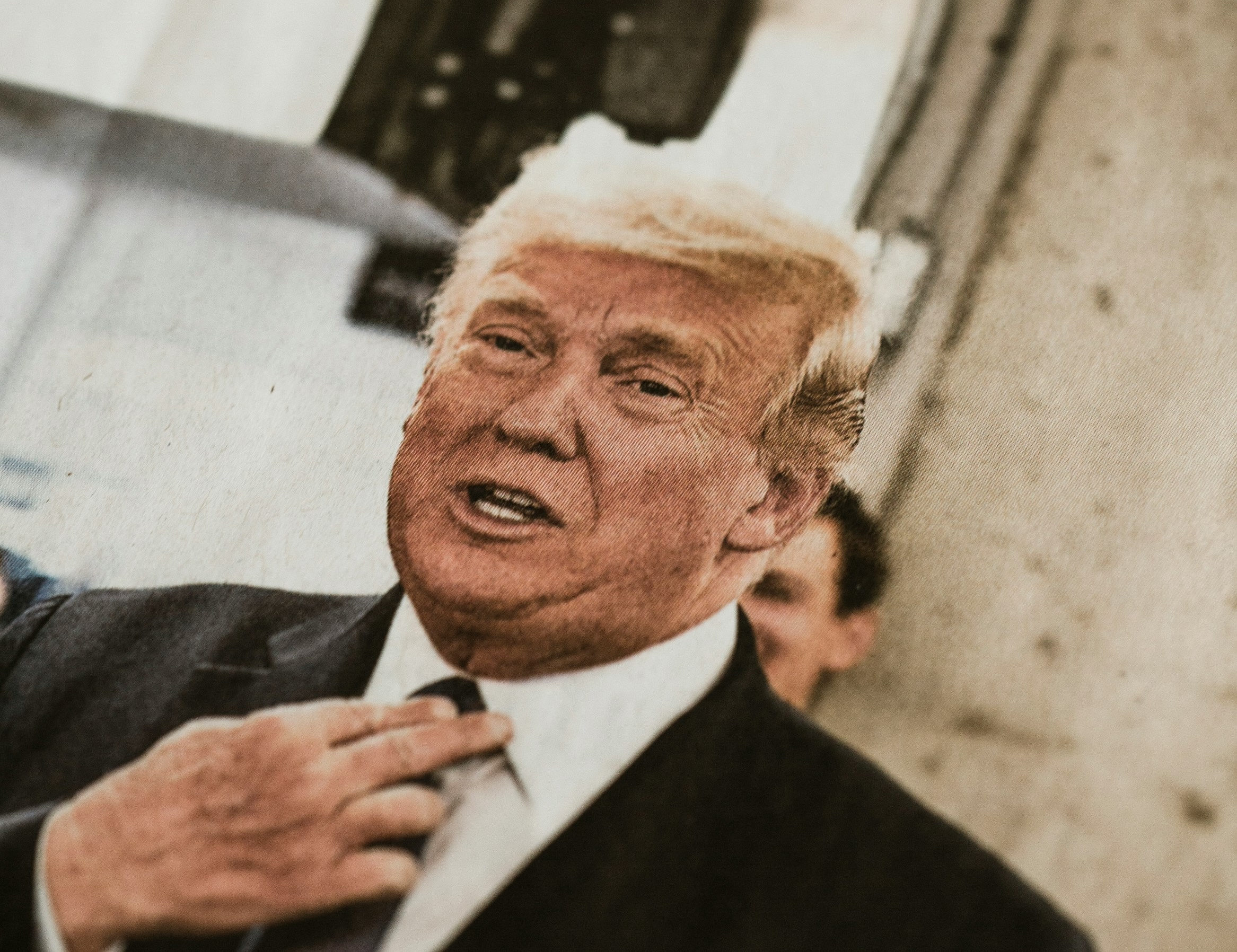 Photo by Markus Spiske on Unsplash
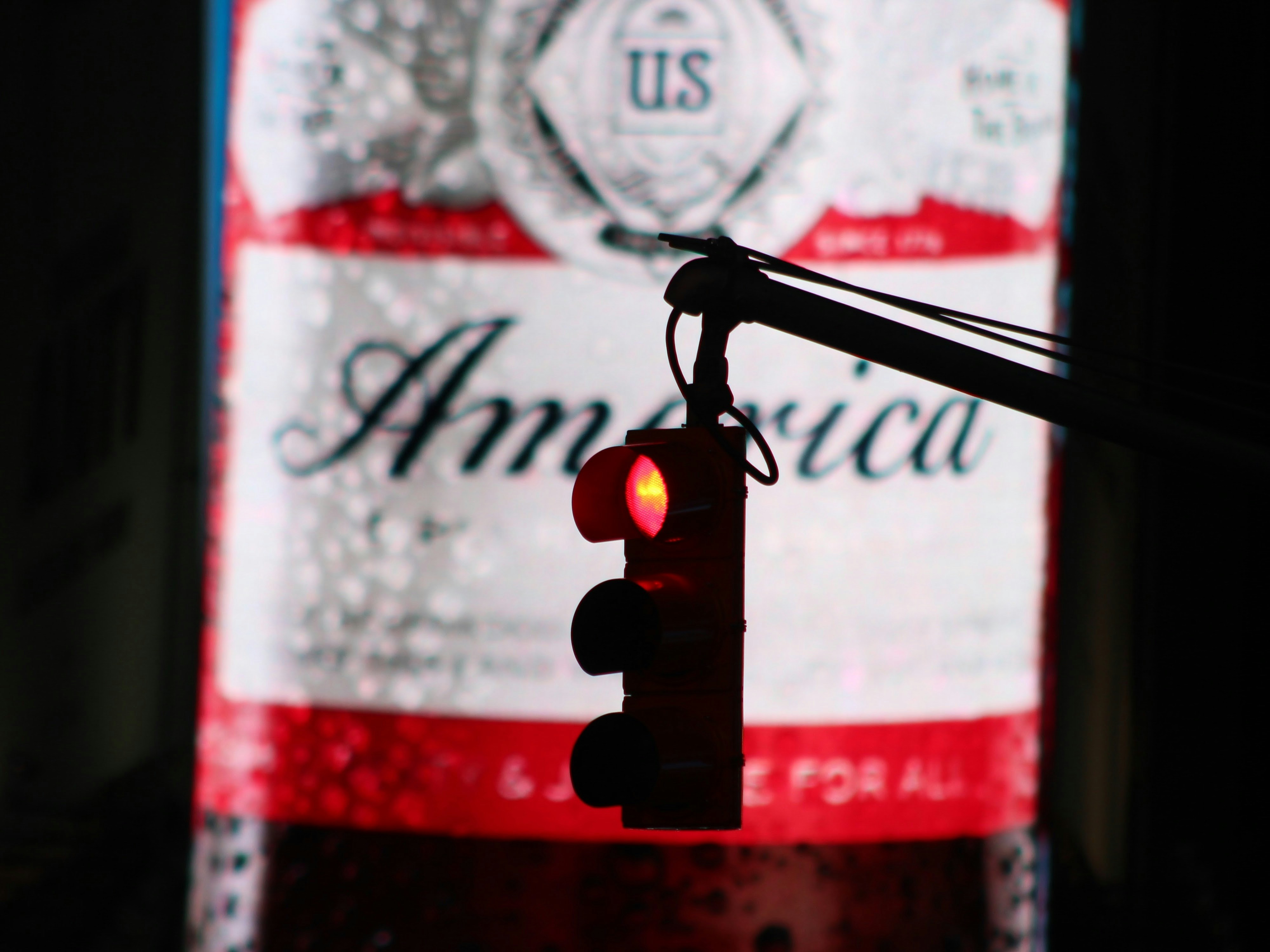
Cover photo by Kedar Gadge on Unsplash